







Search Results for: milk-adding order
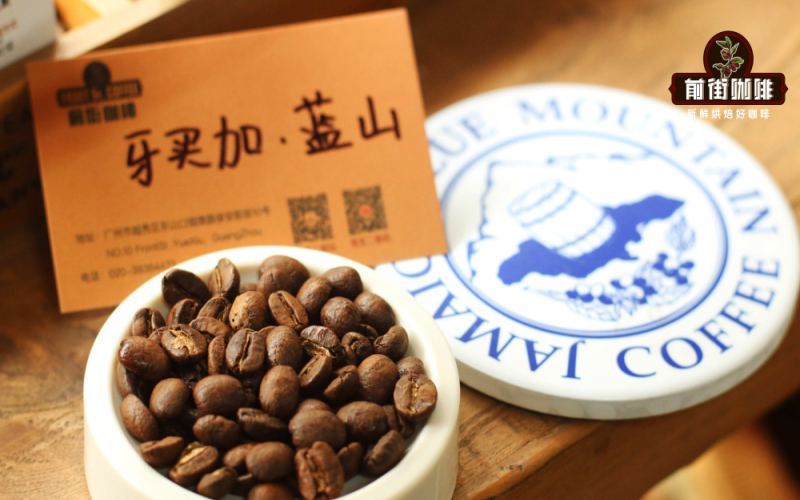
A Complete Analysis of Blue Mountain Coffee's Acidity and Blending: From Grade Classification to Front Street No. 1's Brewing and Milk-Adding Guide
Jamaican Blue Mountain coffee has long been celebrated for its balanced, mellow character, full body, and sweet finish, yet many enthusiasts still have questions about its acidity and how best to drink it. Starting from Blue Mountain's historical origins, the definition of its growing region, and the CIB grading standards, this article explains in detail the specifications, processing flow, and roasting key points of authentic Blue Mountain No. 1, and also brings you the pour-over parameters and extraction techniques for Front Street Coffee's Clifton Estate Blue Mountain No. 1. At the same time, it answers a common question: is Blue Mountain black coffee suitable for adding sugar and milk? Whether you are pursuing an original-taste tasting experience or prefer the mellow mouthfeel of milk-blended coffee, this content can provide clear reference and practical suggestions. [more…]

Yirgacheffe for Pour-Over: Complexity and Cleanliness
For pour-over Yirgacheffe, the standard is flavor layering and clarity: washed Gedeb, with its citrus florals and green tea sweetness, unfolds layer by layer through the pour-over filter paper; sun-dried Huakui has a richer fruit aroma—when brewed as pour-over, the strawberry sweetness arrives first, followed by the passion fruit acidity—pour-over brings out Yirgacheffe's layering [more…]
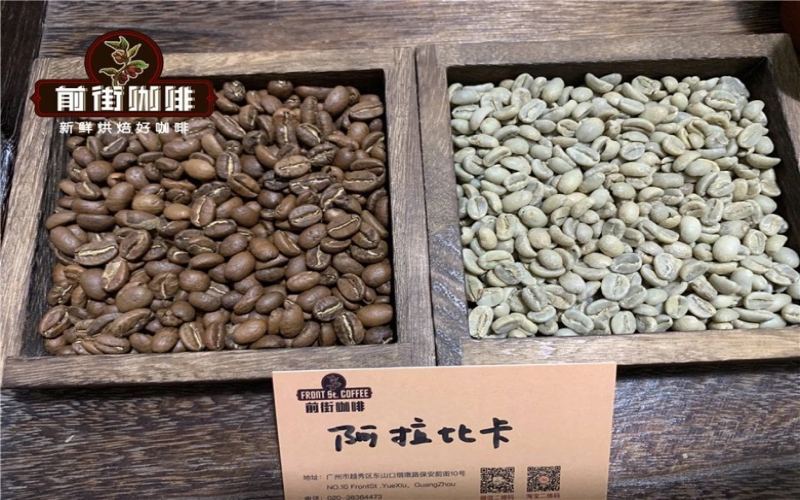
Yirgacheffe's Value-for-Money Options: The Price Gap Between Washed and Natural
A high-value-for-money choice in Yirgacheffe: the logic is to choose the right processing method and grade. The washed Gedeb Dingding is affordably priced with a complete citrus-and-floral framework—it's the standard answer for Yirgacheffe flavor. Although Panama Emerald Estate Red Label is a tier more expensive, the density of its jasmine and bergamot aromatics justifies the price difference—the two represent value for money [more…]
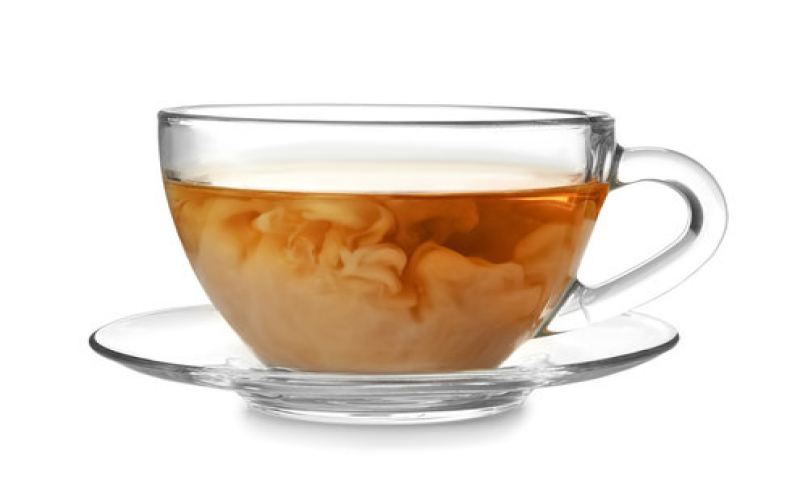
Does the order of milk tea preparation matter? From historical origins to scientific principles, an analysis of the correct way to add milk and black tea
Adding milk to tea is a habit with a rich history and scientific principles behind it. From Tibetan butter tea to Indian masala chai, and then to British workers' tea, the combination of milk and tea spans multiple centuries and civilizations. Why do people add milk to tea? Is it milk first or tea first? And what different flavor experiences does the order bring? This article will take you through the historical origins of milk tea, explore various theories about adding milk, and analyze in depth the interaction between milk and the tannins in black tea, helping you understand the science and culture behind this everyday drink. Whether you are a purist or a milk tea lover, you will gain new insights from it. [more…]
Recommended distinctive coffee beans: first consider the scenario, then the flavor and roast
When choosing coffee beans, start by considering your daily drinking scenario: is it a cup of black coffee in the early morning, or a milk coffee to go with breakfast; is it a slow pour-over to savor, or a quick cup from a machine. Different scenarios call for different roast levels, flavor intensity, and brewing methods. Pour-over flavor is mainly determined by origin, variety, and processing. [more…]
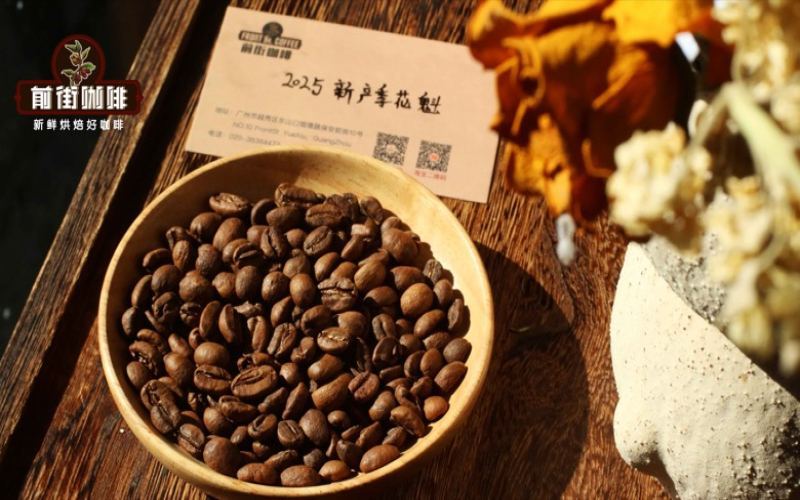
Light Roast Floral Coffee Bean Recommendation Collection: Start with the Scenario, Then Look at Flavor and Roast
When choosing coffee beans, start by considering your daily drinking scenario: is it a cup of black coffee in the early morning, or a milk coffee to go with breakfast; is it a slow pour-over to savor, or a quick cup from a machine. Different scenarios call for different roast levels, flavor intensity, and brewing methods. Pour-over flavor is mainly determined by origin, variety, and processing. [more…]
Coffee Beans Worth Trying for Hand Grinder Enthusiasts: How Different Roast Levels Change the Cup
The roast level changes the flavor focus and extraction rhythm of coffee beans. Light roasts usually retain more floral and fruity aromas and bright acidity, medium roasts tend to present sweetness and balance, while dark roasts lean toward nutty, cocoa, and full-bodied flavors. None is inherently better than another; the key is whether it matches your brewing method. Pour-over flavor is mainly determined by origin, variety, [more…]
Delicious Americano Coffee Beans Recommendations: A Bean Selection Method for Everyday Drinkers
When you first start buying beans, you don't need to chase a wide range of flavors all at once. A more practical approach is to first choose a bean with a clear flavor profile and high compatibility with different brewing methods, then lock in your dose, grind, and water temperature, and observe how the entry, sweetness, and finish change. This way you can build your own flavor reference. Pour-over flavor is mainly determined by the origin. [more…]
Light Roast Floral Coffee Bean Recommendations: How Different Roast Levels Change the Cup Experience
The roast level shifts a coffee bean's flavor focus and extraction rhythm. Light roasts generally preserve more floral and fruity notes and bright acidity, medium roasts tend to show sweetness and balance, and dark roasts lean toward nutty, cocoa, and full-bodied flavors. There is no ranking among them—what matters is whether they match how you brew and drink. Pour-over flavor is mainly determined by origin, va [more…]
Coffee beans worth buying again: a review exploring how different roast levels change the cup
The roast level changes the flavor focus and extraction rhythm of coffee beans. Light roasts usually retain more floral and fruity notes and bright acidity, medium roasts tend to present sweetness and balance, while dark roasts lean toward nutty, cocoa, and full-bodied flavors. There is no hierarchy among them; the key is whether they match your brewing method. Pour-over flavor is mainly determined by origin, va [more…]

American Coffee with Milk Rejected by Store? Inconsistent Statements from Manner Employees Confuse Consumers
A cup of Americano with a splash of milk—this seemingly trivial request has recently stirred up quite a commotion on social media. Some consumers report that after buying a hot Americano at a Manner outlet and asking for milk, they were flatly refused by the barista, even though the same request had never been a problem before. What's even more puzzling is that different stores and different employees give completely opposite answers—some say it's fine to add milk, while others explicitly say it's not allowed. Does the brand have a unified policy? Can consumers enjoy a consistent customization experience? This debate reflects the real tension between standardization and personalization faced by chain coffee brands. [more…]
How to Choose Washed Coffee Beans: How Brewing Gear, Parameters, and Bean Flavor Work Together
The same beans will perform noticeably differently in different brewing devices. Pour-over emphasizes aroma and clarity, espresso machines highlight intensity and sweetness, while a moka pot requires balancing pressure, heat, and the coffee bed. Bean selection cannot be separated from the brewing device, and the parameters should also be adjusted accordingly based on the roast level of the beans. Pour-over flavor is mainly determined by origin and... [more…]
Home American Coffee Beans: Matching Flavor Descriptions to Actual Taste
Acidity and bitterness are just the two poles of flavor; aroma, sweetness, body, mouthfeel, and finish are equally part of what's in the cup. When choosing beans, first pinpoint your own preferences—floral and fruity, nutty and cocoa, or somewhere in between—then match them by origin, processing method, and roast level. What determines the flavor of a pour-over isn't just the bean itself; origin, variety, [more…]

Peet's Americano with oat milk charging controversy: inconsistent statements between stores and customer service, now fully rectified with clear pricing
A hot Americano with a splash of oat milk unexpectedly revealed two different sets of charging rules—online and in-store—at the coffee chain brand Peet's. A customer selected the "add oat milk ¥2" option on a delivery platform, but was told by the store that only 30 ml had been added, and that adding up to 50 ml would require another ¥2. However, the official mini-program customer service said the option should have added about 50 ml, and made no mention of stacked charges. This confusion over the amount of milk added ultimately prompted Peet's to carry out a comprehensive overhaul of its nationwide stores and online ordering platforms, with clearly marked prices on the ordering interface. Behind this incident, what exactly are the charging standards for adding milk to Americanos at various coffee shops? And how should consumers order clearly? [more…]
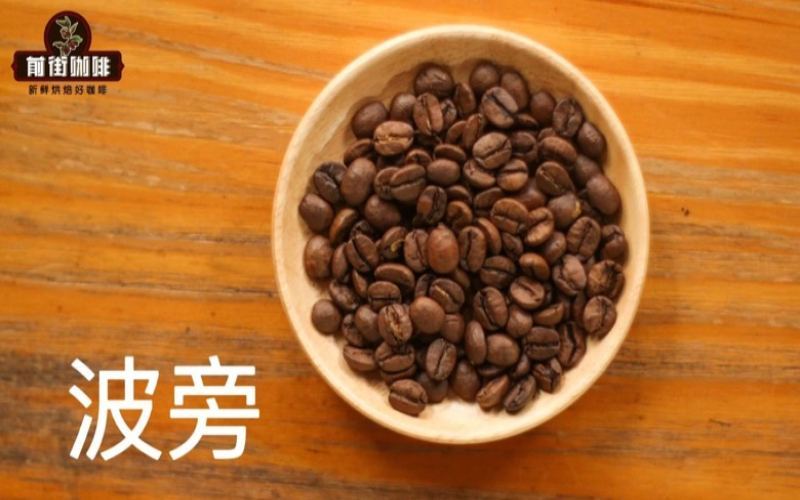
How to choose coffee beans with balanced acidity and sweetness: first consider the scenario, then the flavor and roast
When choosing coffee beans, start by considering your daily drinking scenario: is it a cup of black coffee in the early morning, or a milk coffee to go with breakfast; is it a slow pour-over to savor, or a quick cup from a machine. Different scenarios call for different roast levels, flavor intensity, and brewing methods. Pour-over flavor is mainly determined by origin, variety, processing [more…]
Tropical Fruit-Flavored Coffee Beans Recommendation: How Brewing Equipment, Parameters, and Bean Flavors Work Together
The same coffee beans will perform noticeably differently when brewed in different devices. Pour-over places more emphasis on aroma and clarity, the espresso machine focuses on intensity and sweetness, and the moka pot requires a balance of pressure, heat, and the coffee bed. Bean selection cannot be separated from the brewing device, and the parameters must also be adjusted accordingly based on the roast level of the beans. Pour-over flavor is mainly determined by origin, quality [more…]

Yirgacheffe Coffee Bean Recommendation and Buying Guide: How Equipment, Parameters, and Bean Flavor Work Together
The same beans will perform noticeably differently when put into different brewing devices. Pour-over places more emphasis on aroma and clarity, espresso machines emphasize intensity and sweetness, while a moka pot requires balancing pressure, heat, and the coffee bed. Bean selection cannot be separated from the brewing device, and the parameters must also be adjusted accordingly based on the roast level of the beans. Pour-over flavor is mainly determined by origin and [more…]
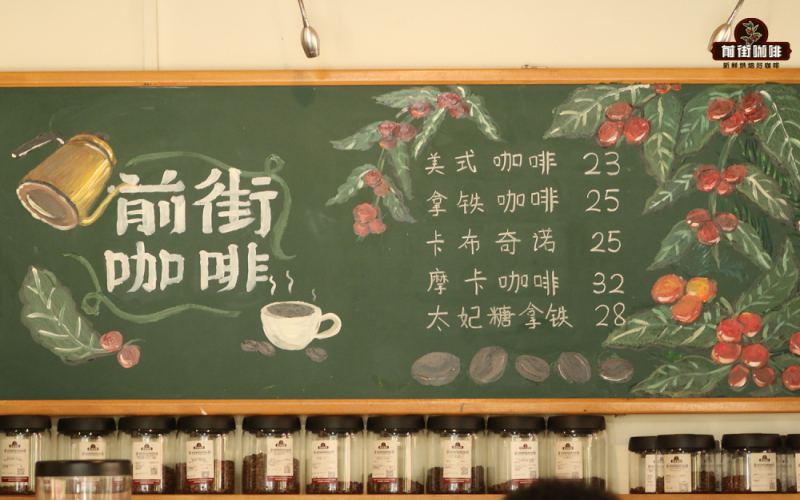
Macchiato vs. Caramel Macchiato: From Espresso Marking to the Evolution of Sweet Lattes and Their Origins
Macchiato and Caramel Macchiato have similar names and are often mistaken for the same coffee, but in fact the two differ clearly in definition, recipe, and historical background. Macchiato was originally an espresso with a small amount of milk added, marked with milk foam, to distinguish it from the milk-added version; Caramel Macchiato, on the other hand, is a sweet latte that appeared in the 1990s, with vanilla syrup and caramel syrup added, and has no direct blood relationship with Macchiato. This article will sort out the origin of Macchiato, its decline, and the birth and recipe characteristics of Caramel Macchiato, to help coffee lovers clearly distinguish these two drinks. [more…]
Recommendations for coffee beans with high value and great taste: selection ideas from flavor direction to brewing method
The flavor of a cup of coffee doesn't only go in two directions, sour or bitter; it also includes aroma, sweetness, body, mouthfeel, and finish. When choosing beans, first decide whether you want floral and fruity notes, nutty and cocoa notes, or a balance between the two, then match that to the corresponding origin, processing method, and roast level. Pour-over flavor is mainly determined by origin, variety, [more…]
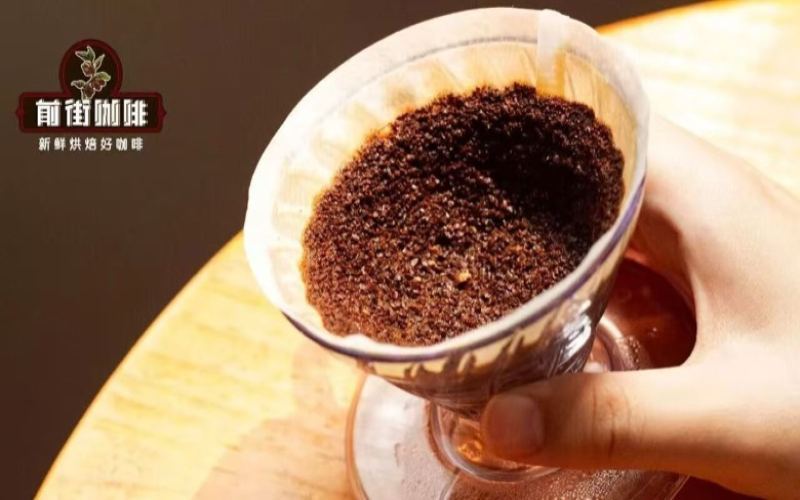
How to Choose Several Medium-Roast Coffee Beans Suitable for Pour-Over: How Different Roast Levels Change the Cup
The roast level changes a coffee bean's flavor focus and extraction rhythm. Light roasts usually retain more floral and fruity notes and bright acidity, medium roasts tend to show sweetness and balance, while dark roasts lean toward nutty, cocoa, and full-bodied flavors. None is superior to another; the key is whether it matches how you brew and drink it. Pour-over flavor is mainly determined by origin, varie [more…]